 BeforeAfter
Drywall Finishing
Taped, mudded, and sanded to a smooth, paint-ready surface.
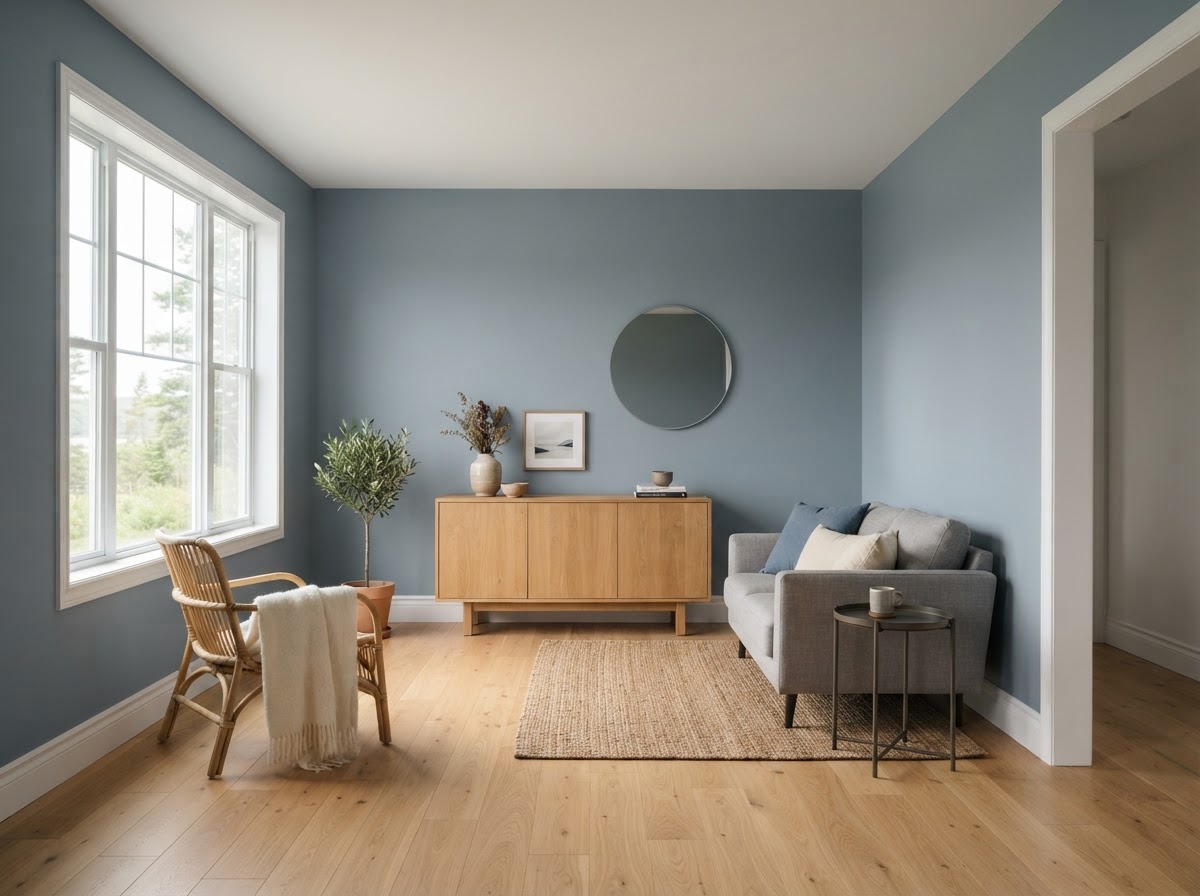
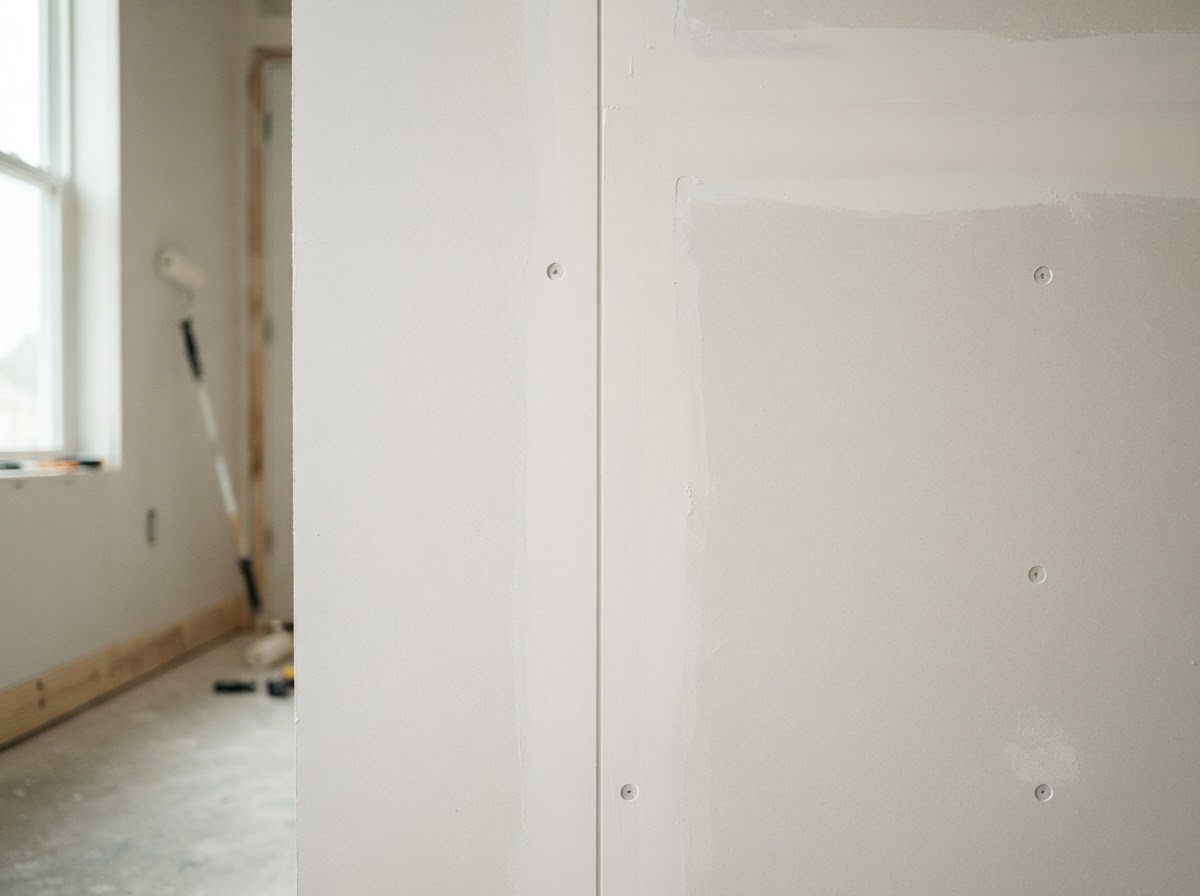
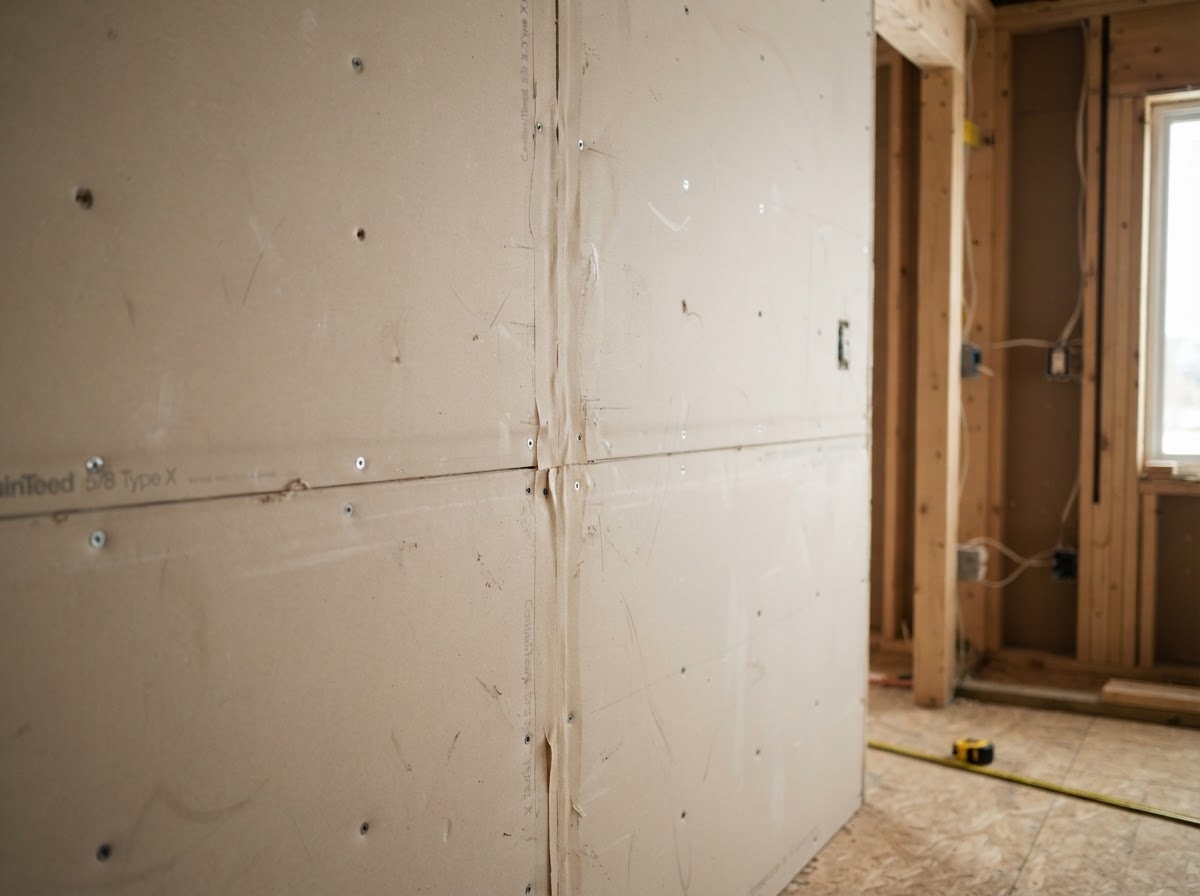
From raw seams to a flat, consistent finish. Drag the divider to compare the typical transformation this work targets — from the starting condition to a finished result.
Illustrative representative visual. Not an actual completed JWS Home Improvement project.
What the work involves.
Finishing is where the drywall becomes a wall. JWS Home Improvement tapes, mudds, and sands seams and corners to a flat, consistent surface — tight joins, no visible ridges, and corners that read clean under raking light. As a journeyman drywall finisher, Jake works to the finish level the room needs so the paint goes on even and the wall reads true.

Project considerations
Lighting direction, room use, and the level of finish all influence the work. High-traffic areas and walls that catch raking daylight benefit from a smoother finish level, while utility spaces can often be completed to a practical level that keeps cost down without sacrificing durability.
Preparation & planning
Furniture and floors are protected, and dust is managed throughout the sanding stages. We talk through containment options for occupied homes so the finish work doesn't spread dust through the rest of the house.
Pricing: Every project is quoted individually based on its scope, size, materials, and condition. We don't use fixed rates — request an estimate and we'll provide a quote for your specific project.
drywall finishing in practice.
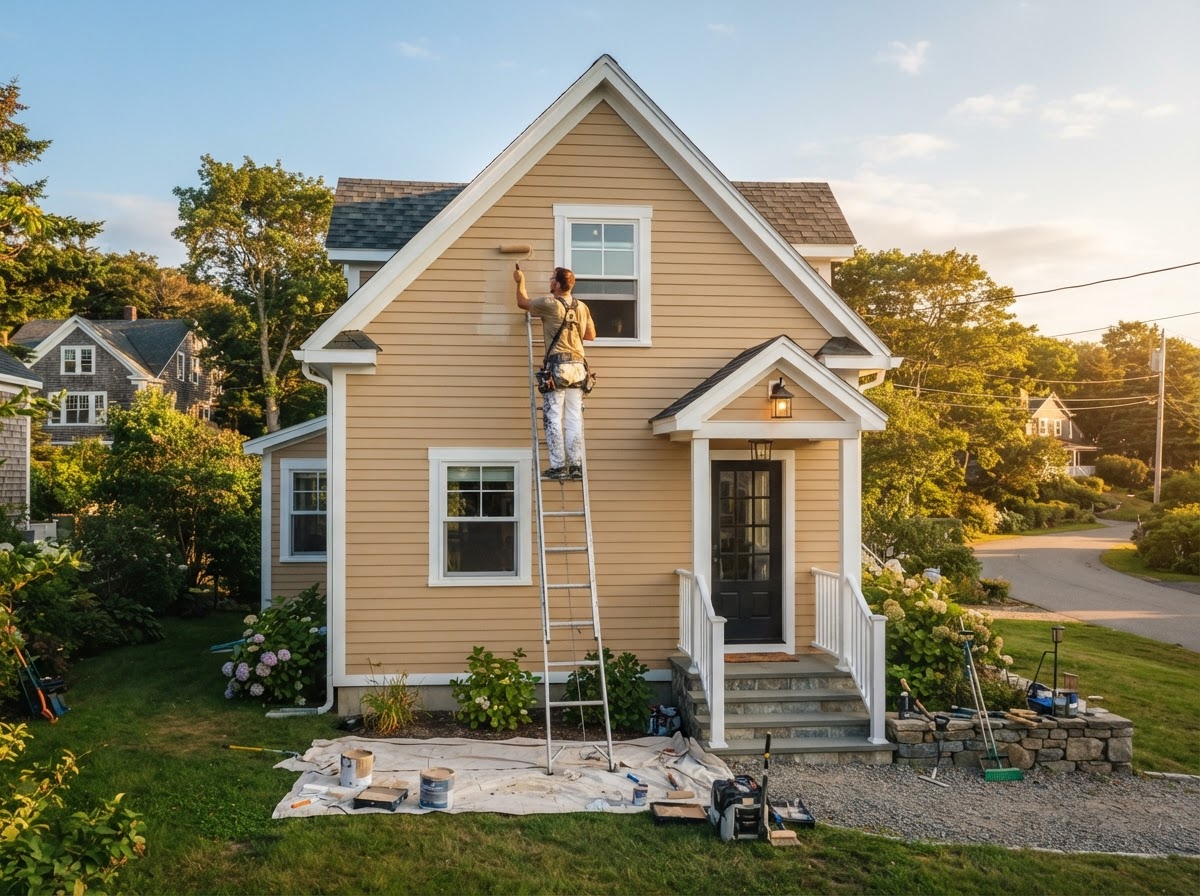
Real photos from JWS Home Improvement work. Some show work in progress; others show finished spaces.
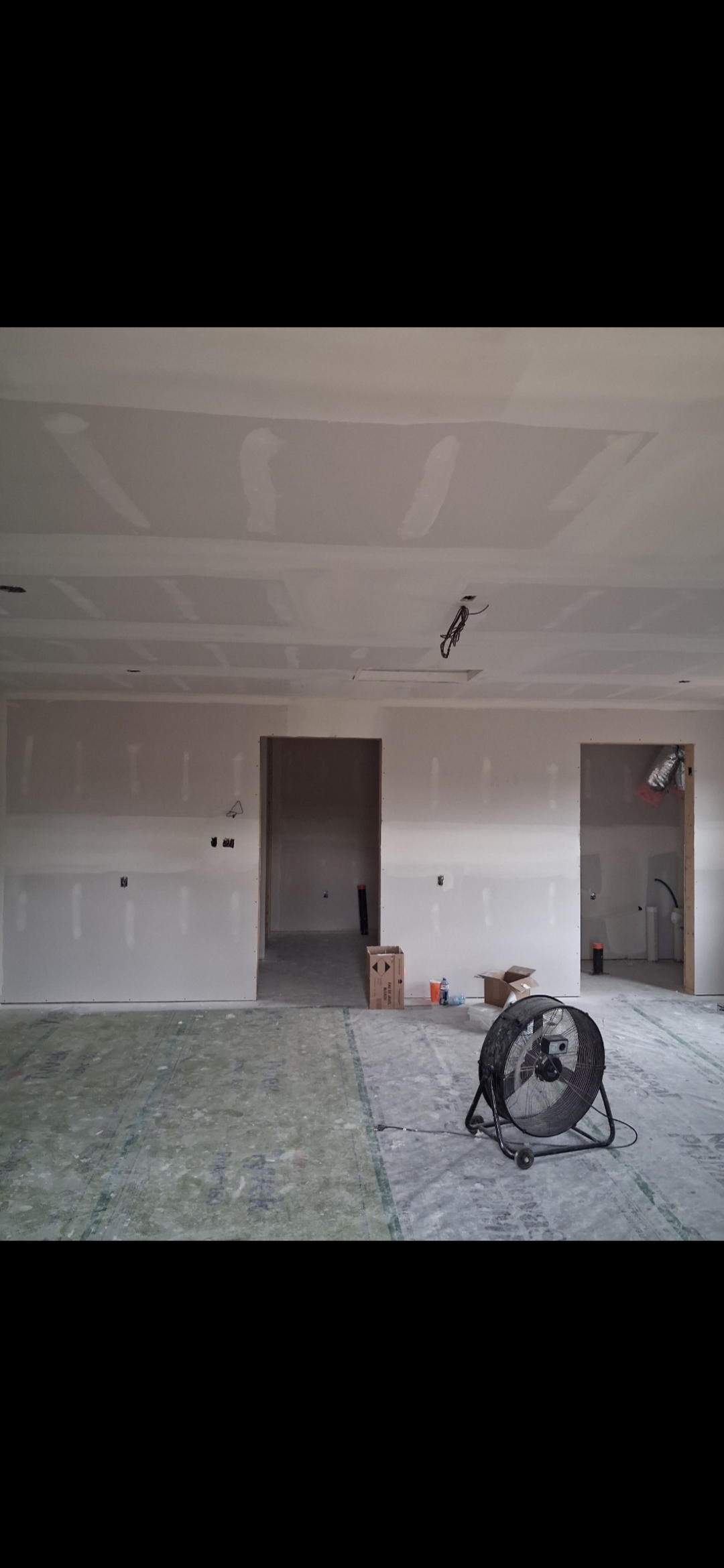
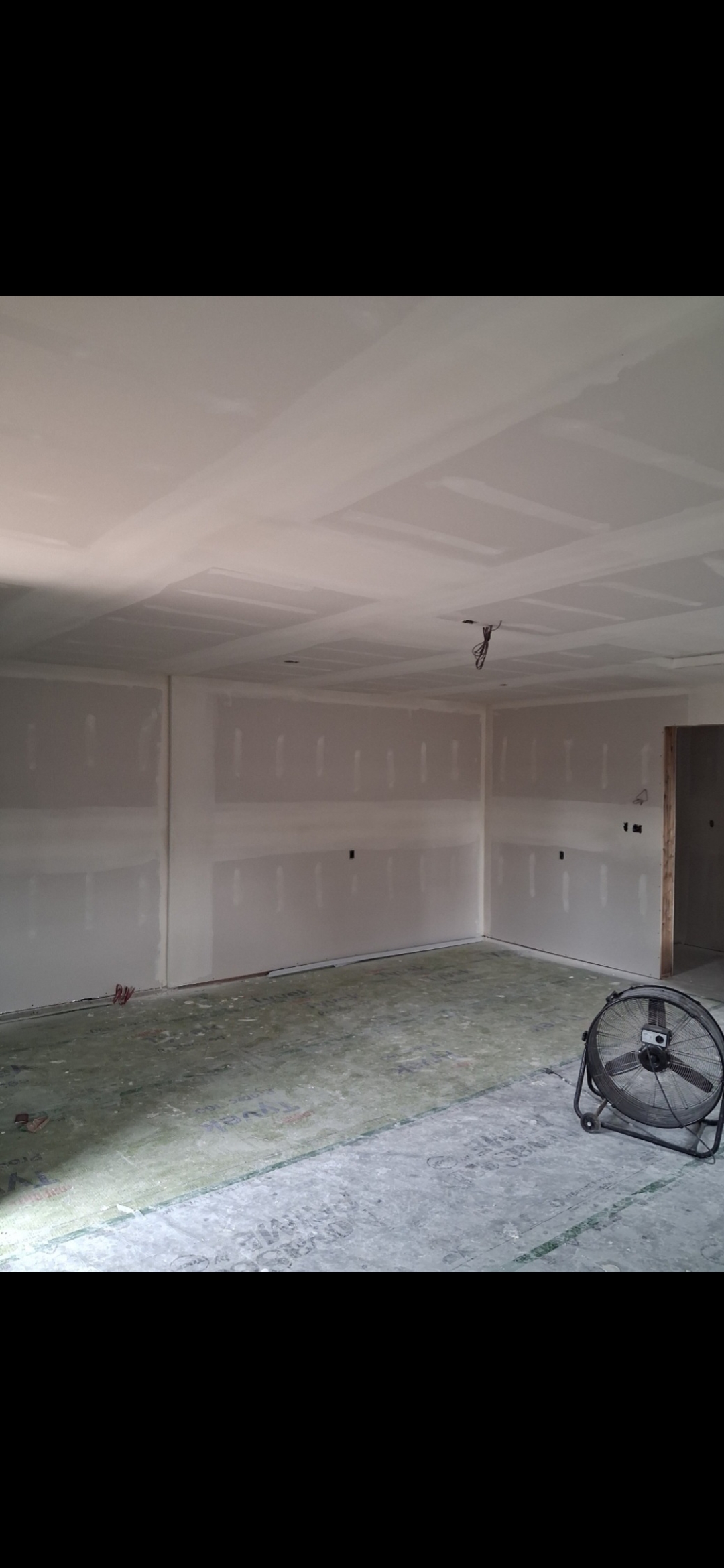


See more in the full project gallery.
Questions about drywall finishing.
Five common questions about this service. For more, see the full FAQ page.
Full FAQ pageWhat level of drywall finish do I need?+
It depends on the room and lighting. Living areas and walls that catch strong daylight usually call for a Level 4 or Level 5 finish, while garages and utility spaces can often be finished to a practical Level 3. We assess each space and recommend the right level for the result you want.
How dusty is the finishing process?+
Sanding does create fine dust. We contain the work area, protect floors and furnishings, and use dust-management practices. We can talk through containment options for occupied homes before we start.
How long does drywall finishing take to dry between coats?+
Joint compound needs to dry fully between coats, which depends on humidity, temperature, and airflow. We schedule coats around drying conditions so the finish cures properly rather than being rushed.
Can you match the texture of existing walls?+
In many cases, yes. Where a repair needs to blend with an existing texture, we assess the surrounding surface and discuss the best approach to make the patch read as part of the original wall.
Will the seams show under raking light?+
Proper taping, coating, and sanding are what keep seams from showing. We finish to the level the lighting demands, so joins read flat rather than telegraphing through the paint.